Towards the eradication of

Phantom Limb Pain (PLP)

#FightPLP is an initiative to educate about Phantom Limb Pain (PLP) and its treatment. This is a volunteer-based project by scientists and clinicians from around the world.

What is PLP?


Updated and Science-Based Information

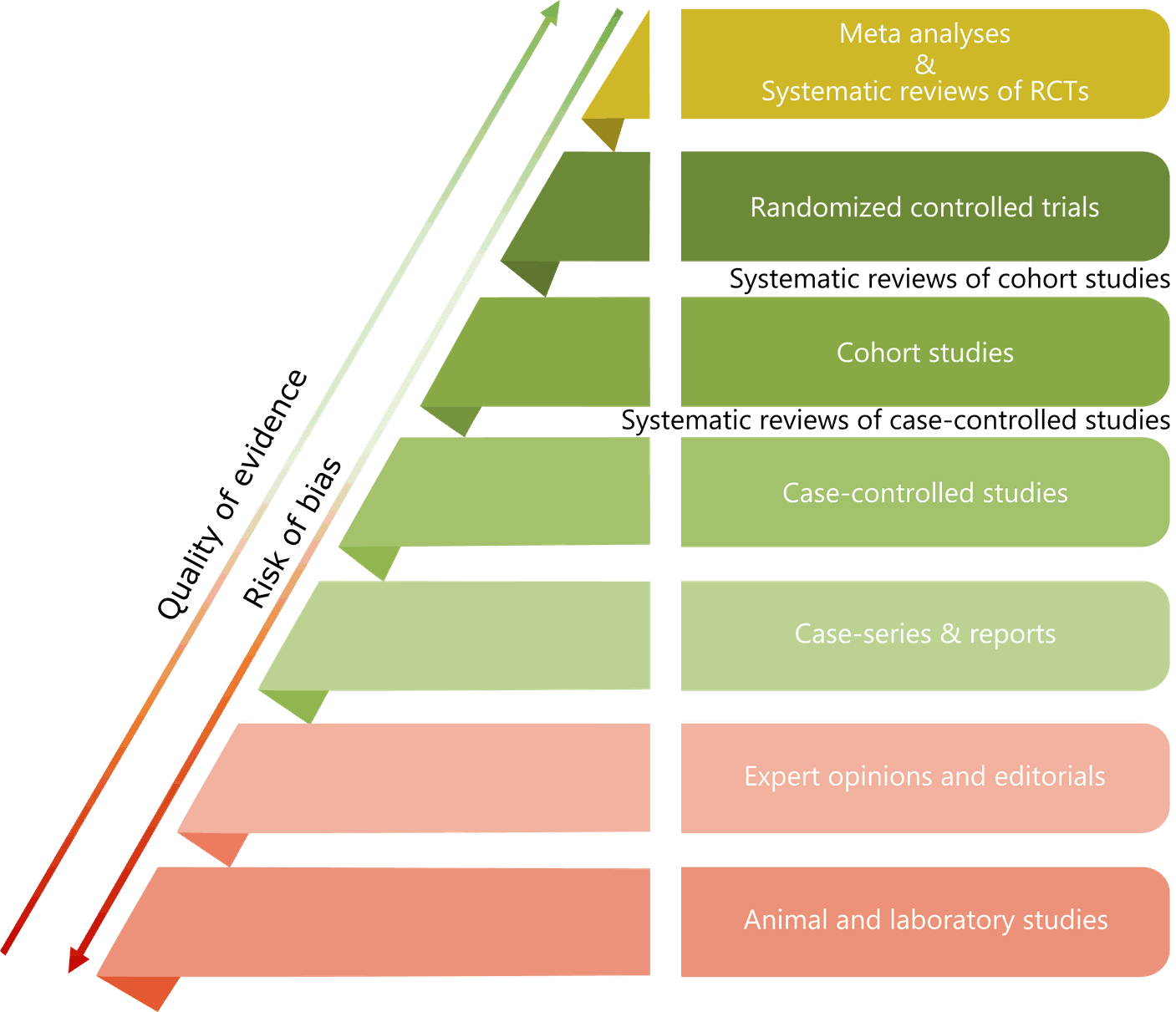
At #FightPLP, we aim to provide up-to-date information supported by the latest scientific research.

Why science-based? Because the scientific method is the best method we know for finding out what actually works.

Please contact our editors if you spot inaccuracies in our content.

Contact Us

Image by Emily Pettersen ©

 Fighting PLP worldwide

  Phantom Limb Pain is a condition that affects people around the world, and this is why #FightPLP is a worldwide initiative. We aim to provide information in your language and relevant to each region, such as events and available treatments.


Who is #FightPLP for?

Collaborators

Deliver evidence-based treatments, organize events, and participate in epidemiological and clinical investigations.

Beneficiaries

Learn about PLP and its treatment, whether you are a patient seeking relief or a clinician providing care.

How #FightPLP?

How does education help to fight PLP?

Pain in a body part that is no longer physically present can seem unreal and is often misunderstood or stigmatized. As a result, many patients go untreated. This problem is made worse by the fact that most medical programs do not teach up-to-date information on PLP or how to treat it effectively. Substantial progress in understanding and treating PLP has only been made recently, so most clinicians remain unaware of how to address it. Moreover, research shows that when patients understand their condition, they often experience better outcomes. In the case of pain, this is especially true, so much so that learning about pain has been proposed as a treatment on its own. This is why #FightPLP aims to 1) raise awareness and reduce the stigma associated with PLP through education, and 2) train clinicians on evidence-based treatments to effectively alleviate PLP.

How is #FightPLP intending to educate?

#FightPLP provides updated and science-based information digitally through this website and social media platforms. In addition, we organize scientific conferences and courses on evidence-based treatments to alleviate and prevent PLP. These events take place in different regions around the world, and when possible, made available online.

How can you contribute to the fight against PLP?

Whether you are a clinician, patient, or policymaker, learning updated, science-based information about PLP helps everyone make better-informed decisions about which treatments to seek, provide, or support financially.

#FightPLP is a non-profit, volunteer-driven initiative led by scientists and clinicians. We welcome anyone interested in helping to alleviate PLP—locally or globally. You can get involved as a volunteer or sponsor in a specific region or through our global campaign. Contact us to take part in the fight against PLP!

How can #FightPLP support your efforts to combat PLP?

We help organize and promote events such as educational courses and scientific conferences focused on post-amputation pain, particularly PLP. If you're working with evidence-based treatments, we’re happy to promote your initiatives. Feel free to reach out, we’d love to help. 

#FightPLP Editorial Board

Prof. Max Ortiz Catalan, Ph.D.

Founding Editor

Prometei Pain Rehabilitation Center, Ukraine.

Prof. Diane Atkins, OTR

Assoc. Editor 

Baylor College of Medicine, USA.

Dr. Katleho Limakatso, Ph.D.

Assoc. Editor 

University of Cape Town, South Africa.

Prof. Danielle Melton, M.D.

Assoc. Editor 

University of Colorado, USA

Dr. Paolo Sassu, M.D., Ph.D.

Assoc. Editor 

Rizzoli Orthopaedic Institute, Italy.

Dr. Noel So, M.D.

Assoc. Editor 

Paradigm, USA.

Prof. Alexander Gardetto, M.D., Ph.D.

Assoc. Editor 

Bixsana Private Clinic, Italy.

Prof. Cristina Ibarz, M.D., M.D., Ph.D.

Assoc. Editor 

Hospital Joan XXII, Spain.

Editorial Policy

The #FightPLP editorial committee is composed of scientists and clinicians who volunteer their expertise to support the quality of the information published on this website and across our social media platforms.

Editors are expected to periodically review published content for scientific accuracy, propose educational or scientific posts such as highlighting relevant studies or aspects of clinical practice, and participate in the resolution of content disputes. Not all editors review all content at all times, and no single editor is liable for the totality of information provided through #FightPLP.

When a disagreement arises regarding published content, the matter is brought to the full editorial committee for discussion. Interested parties present their case once, after which all editors vote and may provide additional suggestions. In the event of a tied vote, the Chief Editor has the deciding authority.

The editorial committee is permanently open for applications.